

*Says He’s Irrevocably Committed to Diversification of State’s Economy
By Wealth Oghenemaro
Delta State Governor, Rt. Hon. Sheriff Oborevwori, yesterday, reaffirmed his administration’s unwavering commitment to economic diversification, stressing that sustainable development in the state could only be achieved through strong collaboration with the private sector and investors.
Speaking at the closing session of the second day of the 2026 Delta State Economic and Investment Summit, Oborevwori described the event as a resounding success.
He attributed its achievement to the active participation of investors, development partners, exhibitors and other stakeholders.
According to him, the summit would not have been successful without the support and confidence reposed in the state by participants from within and outside Nigeria.
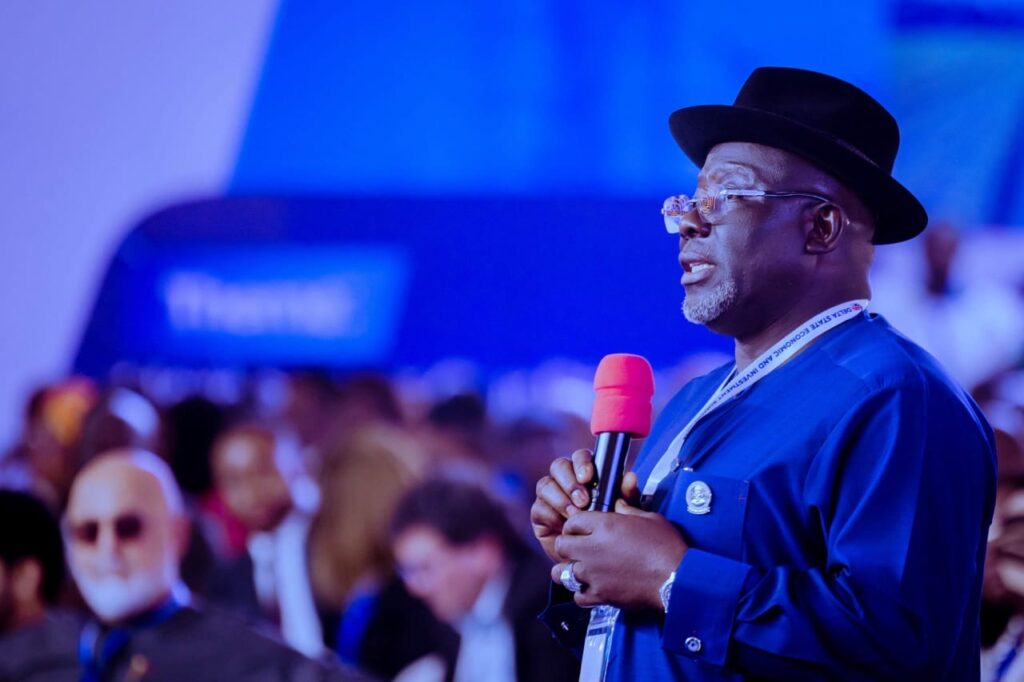
“The success of this Economic and Investment Summiti belongs to all of you. Without your participation, the vision of this summit could not have been realised,” the governor said.
Oborevwori, who toured the exhibition stands during the summit, expressed delight at the high level of participation by exhibitors and participants, noting that the turnout reflected growing confidence in Delta State as an investment destination.
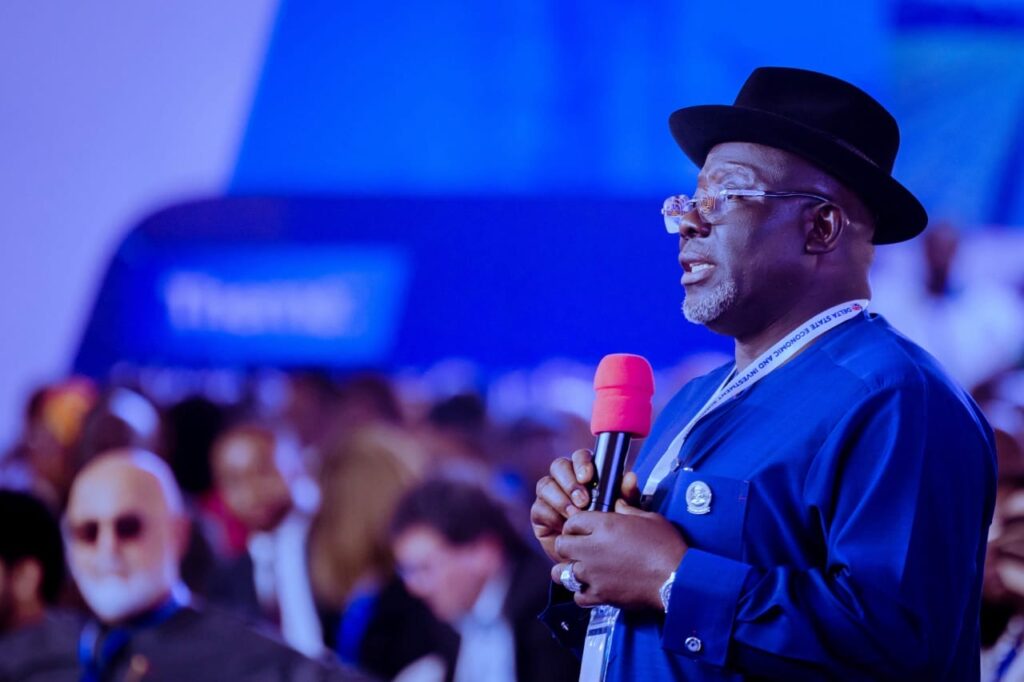
He assured investors that his administration would continue to provide an enabling environment for businesses to thrive, adding that the government remained committed to policies that would stimulate investment, create jobs and expand the state’s economic base.
The governor reiterated the need for the state to reduce its dependence on oil revenue by attracting investments into agriculture, manufacturing, technology, tourism and other productive sectors.
“We must diversify our economy. We cannot continue to depend solely on oil. We must attract investments that will create wealth and provide employment opportunities for our youths and citizens,” he stated.
The governor said the ongoing summit was designed as a private sector-driven initiative aimed at attracting both local and foreign investors, stressing that it was not a government-centred event.
He reiterated that the summit was conceived to facilitate partnerships between the government and the private sector, noting that the state’s role was limited to creating the right environment for businesses to thrive.
The state government, according him, had secured land and put other critical measures in place to encourage investment across key sectors of the economy, pointing out that the state had embarked on investment roadshows to countries such as China and Brazil to market Delta’s vast economic potentials.
While saying that discussions at the summit would help shape future investment decisions, Oborevwori said the summit was not a mere “talk shop” but a strategic platform backed by serious investors already on ground, reiterating that the state was taking bold steps to de-risk investments through a proposed $100 million investment support framework.
He expressed optimism that the partnerships forged during the summit would translate into tangible investments capable of accelerating Delta State’s development and improving the living standards of the people.
In his contribution, one of the participants at the summit who spoke on agriculture agric-business and agro industry, Chief Eta Enahoro, harped on the need for Delta State to prioritise investments in fish and poultry production, adding that the two sectors had the capacity of creating massive employment and transforming the state’s economy.
Chief Enahoro, who is a former South-South Vice President of the Poultry Association of Nigeria (PAN), noted that strategic investments in livestock and aquaculture could significantly reduce unemployment, eliminate dependence on government appointments and position Delta as a leading agribusiness hub in Nigeria.
He disclosed that many young people seeking political appointments could become successful entrepreneurs if properly supported to establish poultry and fish farms in the state.
Also speaking, a Brazilian agribusiness investor, Roberto Fonseca unveiled plans to partner Delta State Government to develop a modern cattle and beef value chain that would position the state as a major livestock production hub in Nigeria and neighbouring African markets.
While saying that Delta possessed the same climatic and environmental conditions that enabled Brazil to become the world’s largest cattle and beef producer, Fonseca disclosed that the planned partnership would cover the entire livestock value chain, including cattle breeding, ranching, slaughterhouses, beef processing, cold storage, refrigerated transportation and distribution networks.
Speaking on blue economy and transport infrastructure, Dr. Uche Igwe called on the state government to take proactive action in checkmating illegal and unregulated fishing on its waters.
On legal perspective, a Senior Advocate of Nigeria (SAN), Chukwudi Enebeli said the state government should establish a one-stop investment centre to provide legal, regulatory and administrative support for foreign investors, as part of efforts to strengthen investors’ confidence and attract sustainable investments into the state.
Enebeli, who was speaking in one of the panel sessions, said investors’ protection was as important as attracting capital, adding that Delta must put institutional structures in place to guide investors through Nigeria’s regulatory environment and protect them from avoidable risks.
On solid mineral and mining thematic area of the summit, participants at the panel session implored the state government to establish a solid mineral development agency in order to harness the full potentials of its solid mineral deposits in line with extant legislation.
Day two of the summit had five sessions which focused on five thematic areas that included agriculture, agric-business and livestock; energy ecosystem; blue economy and transport infrastructure; solid mineral and mining and digital economy and innovation.


